
There's a particular kind of stress that builds up when a home isn't being maintained. It rarely arrives all at once — it accumulates. A caulk line that's starting to separate, a kitchen cabinet door that needs a new hinge, a light fixture that flickers when someone walks past it. None of these things are emergencies on their own, but together they create the quiet background noise of a home that isn't quite right. For many homeowners in Oakville, that noise has been growing louder.
Home maintenance services in Oakville cover a broad range of tasks — from seasonal upkeep and interior repairs to installations and updates that make everyday life in a home easier and more comfortable. The challenge for most people isn't knowing that these things need to be done. It's finding the time, the tools, and the right skills to do all of them properly, without turning a Saturday into a frustrating half-finished project.
That's where a skilled, local handyman becomes genuinely useful. Handyman Oakville Ontario handles the kind of practical, hands-on home maintenance work that Oakville homeowners, condo owners, and landlords need done regularly — and done in a way that actually holds up over time.
Fridge Repair Oakville | Local Appliance Help You Can Trust
Most homeowners think about maintenance costs in the wrong direction. The question shouldn't be "how much does this repair cost?" — it should be "how much does skipping this repair cost?" The answer is almost always more than expected, and it almost always involves a bigger job down the line.
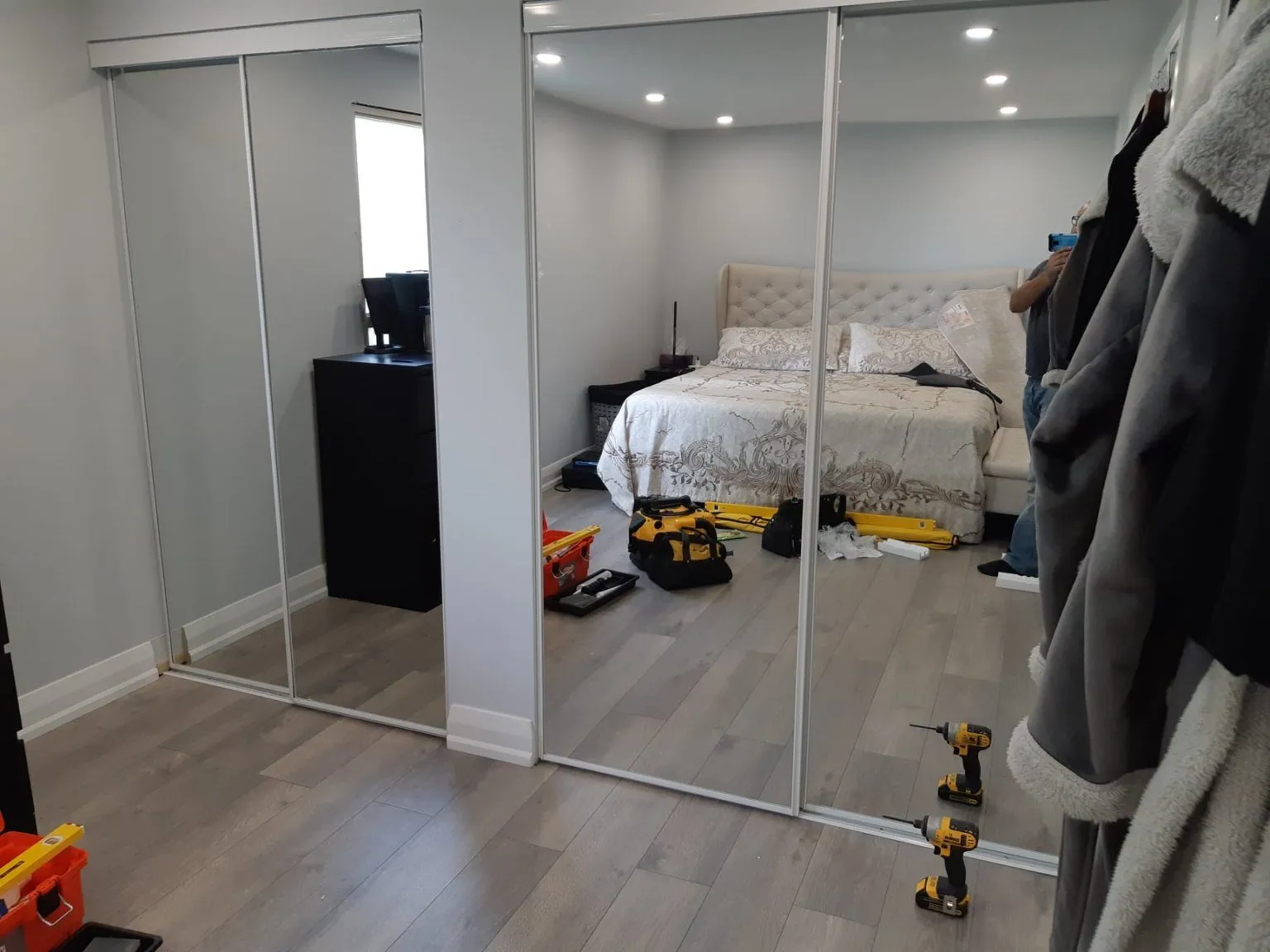
A sliding closet door that's slightly off its track puts stress on the bottom guide and the upper rollers every time it's used. Left alone for six months, what was a 30-minute roller replacement becomes a track realignment plus a new guide plus possible door frame adjustment. The original fix was simple. The accumulated fix is not.
Caulking is another area where the cost of delay is disproportionate. A cracked or missing caulk line around a bathtub or shower is an invitation for water to enter the wall cavity. In Oakville homes that sit on older lots near Lakeshore Road, we regularly see tile work that's come loose and subfloor damage that started as a caulk line no one got around to refreshing. The repair bill for that kind of water damage is significantly higher than a tube of caulk and an hour of work.
Electrical fixtures also fall into this category. A light fixture that flickers isn't just annoying — it may indicate a loose wire connection at the junction box, which is a fire risk if left unaddressed. Many homeowners prefer to have that kind of work looked at by an experienced, insured professional rather than investigating it themselves, and that instinct is the right one.
For landlords managing rental properties in Oakville, the economics of maintenance are even more clear-cut. A tenant who reports a problem and sees it fixed promptly stays longer and takes better care of the property. A tenant whose requests sit unaddressed for weeks starts looking for another place to live. Vacancy and turnover are far more expensive than any individual repair.
The honest bottom line is this: home maintenance is cheaper and easier when it happens on schedule, not in reaction to something failing. Building a habit of regular upkeep — even if that means calling in outside help for the jobs you don't want to tackle yourself — is simply the most practical approach to long-term homeownership.
Home maintenance isn't one thing — it's a rotating list of tasks that shifts with the season, the age of the home, and the type of property. Understanding what falls into this category helps homeowners build a realistic picture of what to expect each year.
In the spring, the priority in most Oakville homes is assessing what winter did. Caulking around windows and exterior doors contracts in cold weather and often needs refreshing once temperatures stabilize. Interior drywall sometimes shows settling cracks along corners and ceilings that appeared over the winter. Closet systems that have been bearing the weight of winter clothing may need a bracket check or a shelf realignment.
Summer tends to surface furniture and fixture issues. Flat-pack furniture assembled the previous year shows whether it was put together correctly — joints that are starting to loosen, shelving that's creeping out of square, bed frames that have developed a wobble. TV mounts get checked when families rearrange rooms. Home offices get set up or reorganized. It's an active time for installation and assembly work.
Fall is when Oakville homeowners think about weatherproofing — door sweeps, window caulking, and any exterior light fixtures that need replacing before the short days arrive. Inside, appliances get attention as the home shifts into heavier use. A dryer that's been running hot all summer, a dishwasher that's been slow to drain, a fridge that's louder than it should be — these are the jobs that surface heading into the colder months.
Winter creates its own interior repair list. Doors and windows that are slightly out of square become more obvious when drafts push through the gap. Cabinet hardware that worked fine in summer may loosen as the home cycles through heating. Basements used for storage get more traffic, and shelving systems in those spaces get real-world tests.
Across all of these, the connecting thread is the same: small tasks need doing, and they add up faster than most homeowners expect. The homes that look great at year five, ten, and twenty are the ones where the upkeep happened consistently, not in panicked bursts.
Every home is different, but the list of what needs regular attention tends to follow a predictable pattern. Cabinet hinges are at the top. In kitchens and bathrooms across Oakville, hinges lose their grip on the wood behind them over time — especially soft-close hinges, which are under more mechanical stress than standard types. A loose hinge eventually leads to a sagging door, and a sagging door eventually leads to a misaligned frame.
Shelving failure is surprisingly common, particularly in closets and garages. The issue is almost always the original installation — shelf brackets anchored into drywall rather than studs, or anchors that were appropriate for light loads but have been living under real-world weight for years. A shelf that's been holding winter coats, boots, and boxes since the home was built is asking a lot of inadequate hardware.
Door repairs — both interior and exterior — come up in nearly every older property we visit. Doors that don't latch properly, handles that have loosened, hinges that have worked their screws out of the frame, closers that have lost their tension. These are the kinds of jobs that each take 20 to 40 minutes but collectively make a home feel either solid or neglected.
Appliance performance issues are another consistent category. A washing machine that vibrates across the laundry room floor just needs leveling feet adjusted — usually a 15-minute fix. A dryer that's taking two cycles to dry a standard load may have a clogged vent line, which is also a straightforward job with the right tools. These small fixes extend appliance life and, in the case of the dryer, reduce a real fire risk.
Drywall damage accumulates faster than most people notice. Doorknobs punch through walls, wall anchors pull out when furniture gets rearranged, and corner bead takes hits from moving furniture or appliances. In homes along Dundas Street where families have lived for decades, we often find walls that have been touched up by five different people with five different paint mixes. A proper patch — cut clean, backed correctly, taped, mudded in coats, sanded, and primed — disappears. A rushed patch doesn't.
Caulking is perhaps the most consistent maintenance item in any home, and also the most overlooked. Kitchen backsplashes, bathroom tile, window frames, and exterior door thresholds all rely on intact caulk lines to keep water where it belongs. Re-caulking once every few years is the kind of preventive task that rarely feels urgent but almost always prevents something that is.
Homes communicate. The signals are usually quiet — a door that needs a little more force, a drawer that sticks, a light that hums — but they're reliable indicators that something needs attention. The challenge is knowing which signals to take seriously.
Any moisture-related signal deserves immediate attention. Peeling paint near a window, a soft spot in flooring near a bathroom, a ring stain on a ceiling below an upstairs bathroom — these are not cosmetic problems. They're early evidence of water going somewhere it shouldn't, and the longer the source is left unaddressed, the more damage accumulates inside the wall or floor assembly.
An electrical fixture that behaves inconsistently — flickering, tripping a breaker, running warm to the touch — should be inspected rather than lived with. This is particularly true in older properties in Glen Abbey and College Park where original wiring has been extended and modified over the years. Loose connections and overloaded circuits are safety concerns, not inconveniences.
Sliding doors that drag, skip, or jump off their track are telling you the hardware is worn. The door itself is usually fine — it's the rollers, the bottom guide, or the track that's reached the end of its service life. Running a sliding mirror door or closet track door on worn hardware increases the wear on the frame and door panel, turning a hardware replacement into a more involved repair if it goes too long.
A home repair checklist that has more than five items and has been sitting untouched for two months is a clear sign. Most homeowners can generate a mental list of things they've been meaning to fix — the question is whether that list is getting addressed or getting longer. If it's getting longer, a single organized maintenance visit is usually more efficient than letting the list grow indefinitely.
If you're approaching a lease renewal, a home sale, or a seasonal change and you're aware that the home isn't in the shape you'd like it to be, that awareness is the signal. The best time to address maintenance items is before they become urgent, not after.

The decision to handle a home maintenance task yourself or bring in a handyman is mostly about honest self-assessment. Most homeowners have a reasonable sense of what they're comfortable with — the problem is that the estimate of how hard a job will be often doesn't match reality until it's in progress.
Replacing a showerhead, tightening a loose toilet seat, patching a small nail hole with spackle, or assembling a basic piece of flat-pack furniture — these are jobs most people can manage with minimal tools and basic patience. The margin for error is forgiving, and getting them wrong doesn't cause additional damage.
Patching drywall beyond a nail hole is a different category. Matching an existing wall texture — whether it's a fine orange peel, a heavier knockdown, or a smooth skim coat — requires specific technique and usually multiple passes. A patch that's done with the wrong compound, not feathered wide enough, or painted without primer will be visible every time the light hits the wall at an angle. In a room where the wall is a focal point, that's a lasting reminder of the repair.
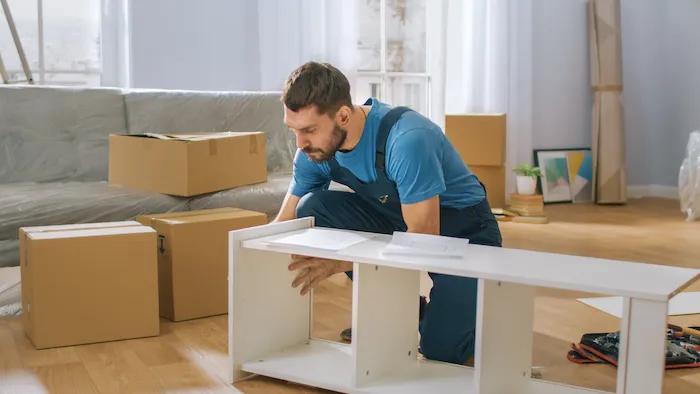
Furniture assembly is another job that regularly surprises people. A standard flat-pack bookshelf or simple bed frame is manageable. A large wardrobe, a sectional sofa, or a wall-mounted unit with integrated lighting is a different project. The instructions are rarely as clear as they appear, the tolerances are tight, and one step done out of sequence often requires significant backtracking. In homes with engineered hardwood floors, dragging partially assembled furniture while you troubleshoot puts both the floor and the furniture at risk.
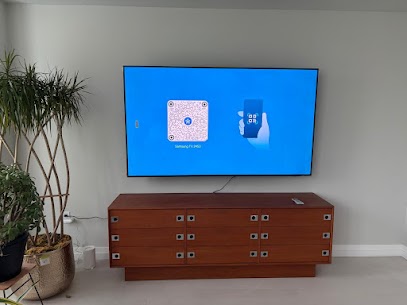
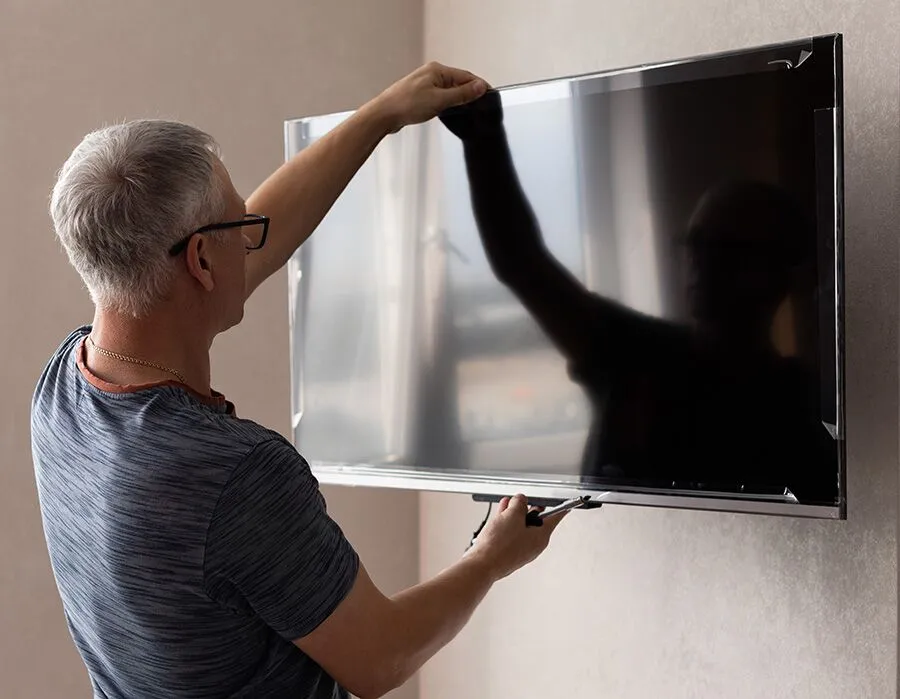
TV mounting in a home with tile, brick, or plaster walls is consistently one of the jobs where DIY attempts cause the most secondary damage. Getting an anchor into tile without cracking it requires a diamond-tipped bit, the right speed, and patience — none of which are typical of a first attempt. Plaster walls require a different anchoring approach than standard drywall. A screen that weighs 35 to 50 kilograms needs to be held by hardware that was selected for its weight and VESA pattern, not whatever was on the shelf at the hardware store.
Custom closet installation is one of the most satisfying jobs when it's done correctly, and one of the most frustrating when it isn't. A closet system that isn't plumb and level looks obviously wrong from the moment the first item is hung. One that isn't anchored into studs will eventually shift under load. Measuring carefully, laying out the system on paper before drilling a single hole, and verifying that each component is level before moving to the next — this is the kind of systematic work that produces a result that feels solid and looks intentional.
The simplest test: if getting the job wrong means buying replacement materials, repairing secondary damage, or calling in someone to redo it anyway — call in someone to do it right the first time.
Oakville's real estate market is one of the more competitive in the Greater Toronto Area, and homes that show well because they've been consistently maintained hold their value differently than homes that haven't. This isn't a matter of luxury upgrades — it's a matter of condition.
A buyer walking through a home near Bronte Road or Trafalgar Road is absorbing information about the property's maintenance history in real time. Cabinet doors that sag, caulk lines that have separated, a sliding closet door that jumps its track, a light fixture that buzzes — these details aggregate into an impression that either builds or undermines confidence in the home.
For homeowners in Iroquois Ridge North and River Oaks, where homes are larger and the price point is higher, deferred maintenance is a negotiation liability. Buyers in this segment hire inspectors who document everything, and a long list of maintenance items gives a buyer grounds to reduce their offer or walk away. The cost of fixing those items before listing is almost always less than the discount they justify in negotiation.
Rental properties have a more immediate relationship with maintenance — it directly affects occupancy. A well-maintained rental in Uptown Core or near the Oakville GO station commands better rates and attracts better tenants than one where issues linger. Property managers who stay ahead of maintenance items don't spend their time fielding complaints; they spend it building long-term tenant relationships.
For condo owners, the interior maintenance responsibilities are fully theirs — the common elements are managed by the building corporation, but everything inside the unit is on the owner. A condo in Oakville's more central areas that's been maintained with care — working fixtures, clean caulk lines, properly installed shelving and closet systems, a clean TV mount — shows as a premium unit even if the floor plan is standard.

Home maintenance and property value aren't separate conversations. A home's condition is a direct expression of how it's been cared for, and buyers, tenants, and appraisers all read that condition accurately. Staying ahead of the maintenance curve is one of the most reliable ways to protect what is, for most people, their most significant financial asset.
The range of home types across Oakville — from the century-old homes near Oakville Harbour to the recently built communities around Palermo and Joshua Creek — means that home maintenance work here covers a wide range of situations. Not every home is the same, and the approach to maintaining each one reflects that.
In Old Oakville and the streets closest to Lake Ontario, homes are often character properties with original features — plaster walls, older window frames, pre-modern electrical layouts, and construction materials that don't always match what you'd find in a newer build. Working in these homes requires knowing what you're dealing with before you start. A drill bit that works fine in modern drywall can crack old plaster if the speed and pressure aren't adjusted. Anchoring into a plaster wall requires a different approach than standard stud-and-drywall construction.
In the newer subdivisions — Clearview, Eastlake, Iroquois Ridge South — the homes are more standardized in their construction, but they come with their own maintenance patterns. Warranty periods expire, and the repairs that were covered for the first year or two become the homeowner's responsibility. Closet systems get added, furniture gets assembled, TV mounts get installed, and appliances start showing the first signs of wear. These are productive maintenance years.
Burlington and Mississauga homeowners in communities adjacent to Oakville have access to the same level of skilled home service support. The repair and maintenance needs along Burloak Drive or near Winston Churchill Boulevard don't differ meaningfully from those inside Oakville's borders — and local handyman support that covers the full Halton Region makes practical sense for a mobile, connected community.
For properties along Upper Middle Road or off Neyagawa Boulevard where townhome and semi-detached developments are common, strata and condo rules sometimes affect what can be done to shared walls. Understanding which repairs are the owner's responsibility and which fall under the building corporation is an important starting point for any maintenance visit.
Explore our latest resources, guides, and helpful information.